
Updated for the Frozen Trail 2.0 update line (patch 2.5.0), November 2026. Numbers that Embark changes often are marked, so check the in-game screens when a figure matters.
The basic rule in ARC Raiders is to recycle everyday loot to feed your workshop, sell only when you need coins, and keep a small reserve of anything a quest, a workshop level or a project will ask for. The costly mistake is recycling an item you still need.
Recycle, sell or keep?
- Recycle common crafting-style items and surplus components. Recycling gives you the parts that workshop upgrades demand.
- Sell items with no use for you, once your upgrades no longer need them, when you want coins.
- Keep anything on an active quest, a workshop requirement or an upcoming project.
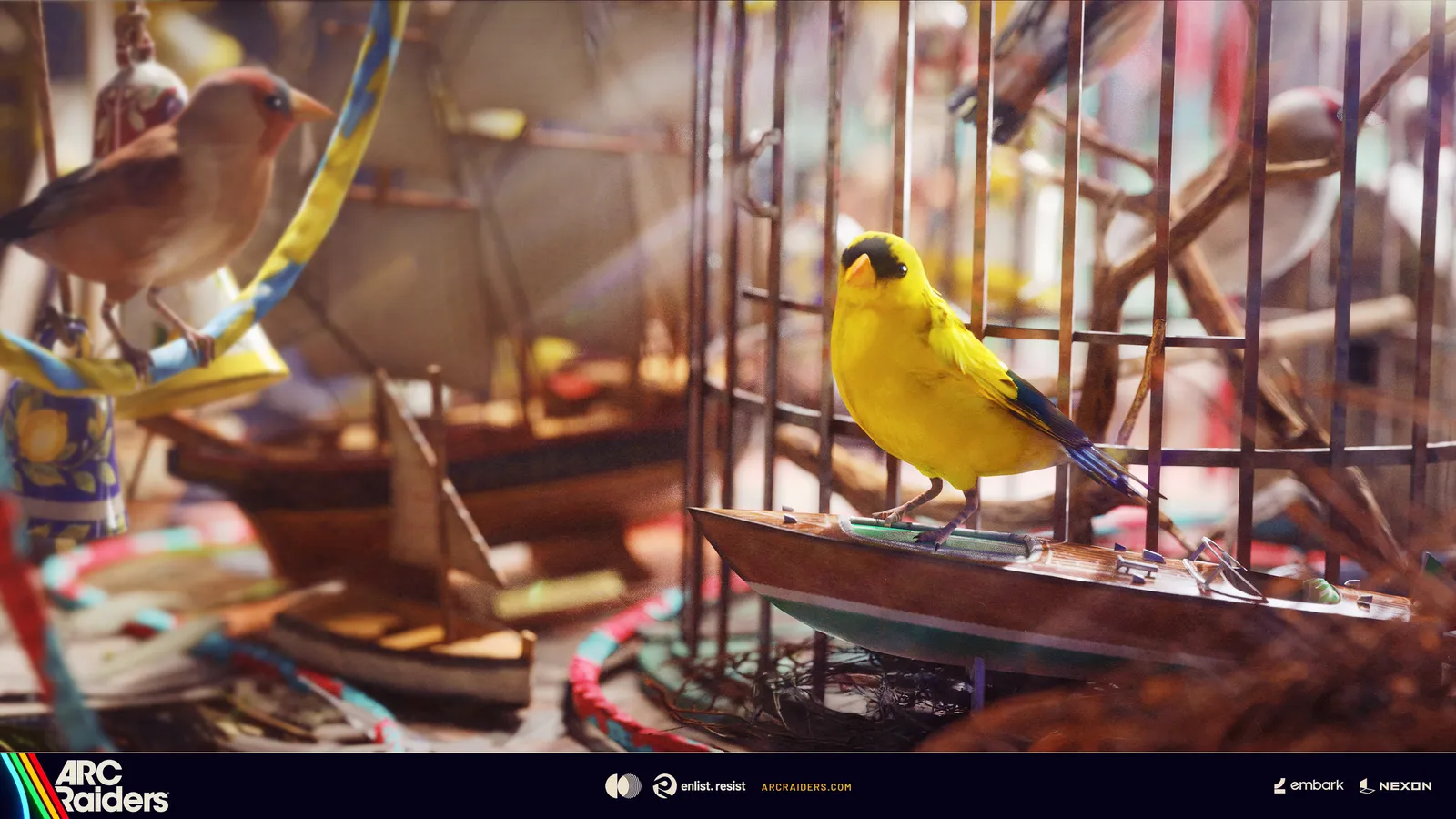
Trinkets and curiosities can be sold, recycled or kept.
Items to hold until you are done with them
Do not recycle items needed by an active quest, since it can block your progress. Guides name items such as the Leaper Pulse Unit, Power Rod, Rocketeer Driver and Snitch Scanner as common quest needs, although guides disagree on some of them. Always compare with the quest or workshop screen before you recycle.
- ARC Alloy appears in many workshop upgrades and quests. Stockpile it.
- Rocketeer Drivers, Wasp Drivers and Sentinel Firing Cores gate higher-tier Explosives and Gunsmith recipes.
- Bastion Cells are worth keeping until your upgrades are finished, then you can sell them.
Plain junk, such as old household objects, is normally for selling or recycling, and ARC Coolant and ARC Flex Rubber are usually recycled.
Stash size and expansion
The stash starts at 64 slots, and you expand it with coins using the Expand button in the stash screen. Before update 2.0 each step added 24 slots, with the first costing about 5,000 coins and the last pre-2.0 step costing about 25,000. Frozen Trail 2.0 added two more upgrade tiers, and the regular maximum is now 328 slots. The prices for the newer tiers are not confirmed, so check the Expand screen.
| Source of space | Notes |
|---|---|
| Coin expansions | Up to 328 slots in total |
| Completed Expeditions | +12 slots each, outside the cap |
| Nomadic Envoy | Extra space for sale after level 25, at a high price in ARC parts |
| Outpost upgrades | Weapon racks and furniture, not regular stash slots |
Keep your stash tidy
- Sort and recycle on the loadout screen before a raid rather than in the middle of one. One guide also reports lower yields when you recycle in raid, which is unconfirmed.
- Group items by purpose: upgrade parts, quest items, trade goods.
- Sell duplicates of blueprints you have already learned: a spare sells for about 5,000 coins.
A quick decision flow
- Is it on an active quest or a workshop requirement? Keep it.
- Does it appear in the next upgrade you plan? Keep it.
- Is it a repeated common material and you have a lot? Recycle it.
- Is it valuable and compact, and you need coins? Sell it.
- Otherwise it is stash clutter: recycle or sell.
Why hoarding too much hurts
A full stash slows you down because you cannot bring back loot, and every slot spent on junk is a slot not available for something valuable. The aim is a stash of mostly useful materials, with a handful of rare items you chose to keep on purpose.
What to do after a wipe or reset
If you start again through an Expedition, the stash resets, so avoid hoarding in the weeks before a departure. Read the Expedition guide for the details.
Quick tips
- When in doubt, wait a raid before you recycle.
- Rely on the in-game requirement lists over any item list.
- For the best order of upgrades read the workshop guide, and for coins see how to make coins.