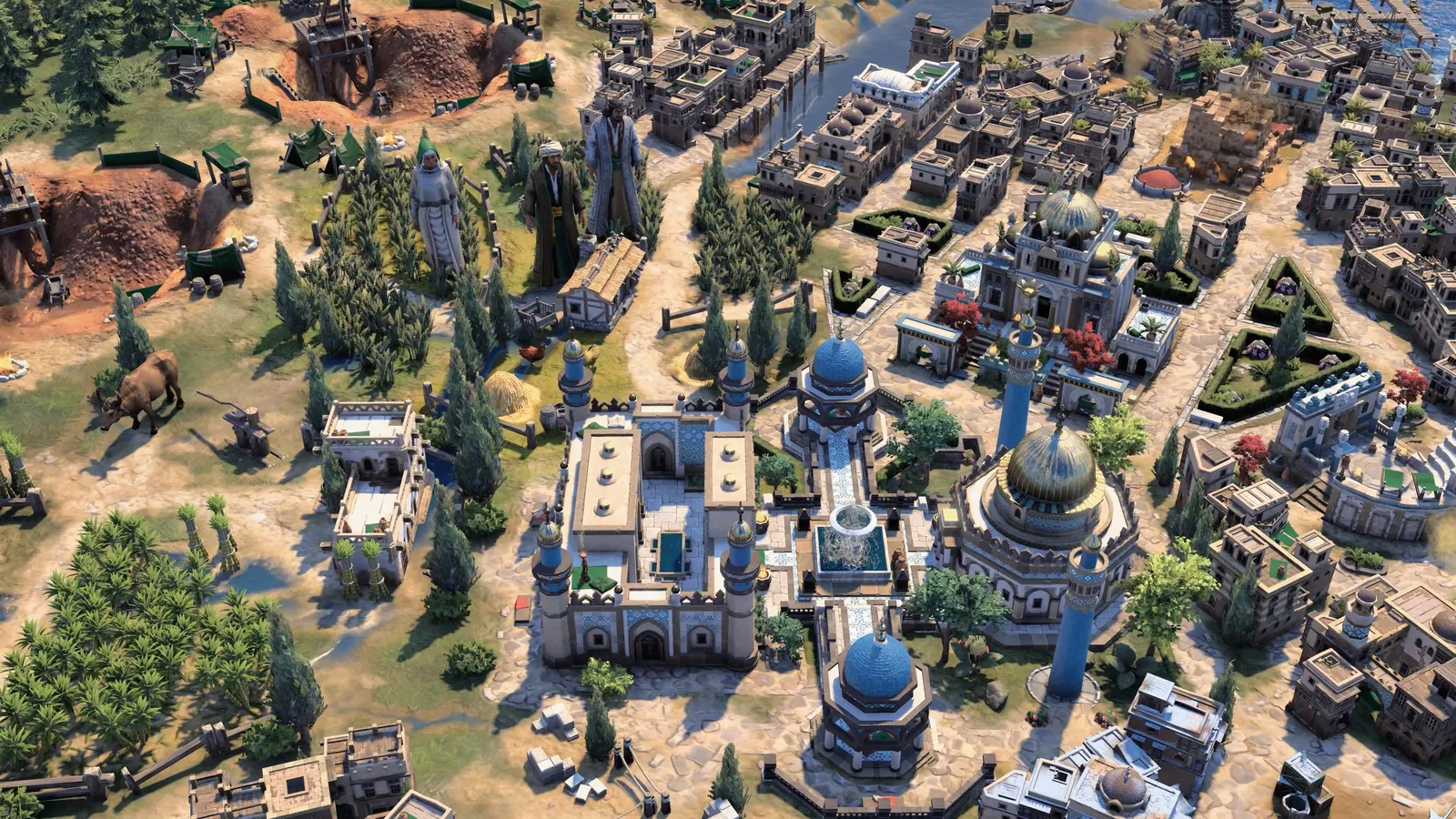
Civilization 7 is played in three Ages: Antiquity, Exploration and Modern. Near the end of each Age a Crisis builds up, then every player goes through an Age Transition where the world changes and you pick what carries on. Since update 1.4.0 (Test of Time, May 2026) you can either swap to a new civilization at each transition or stay with the same one. This guide is current as of update 1.5.1 (November 10, 2026).
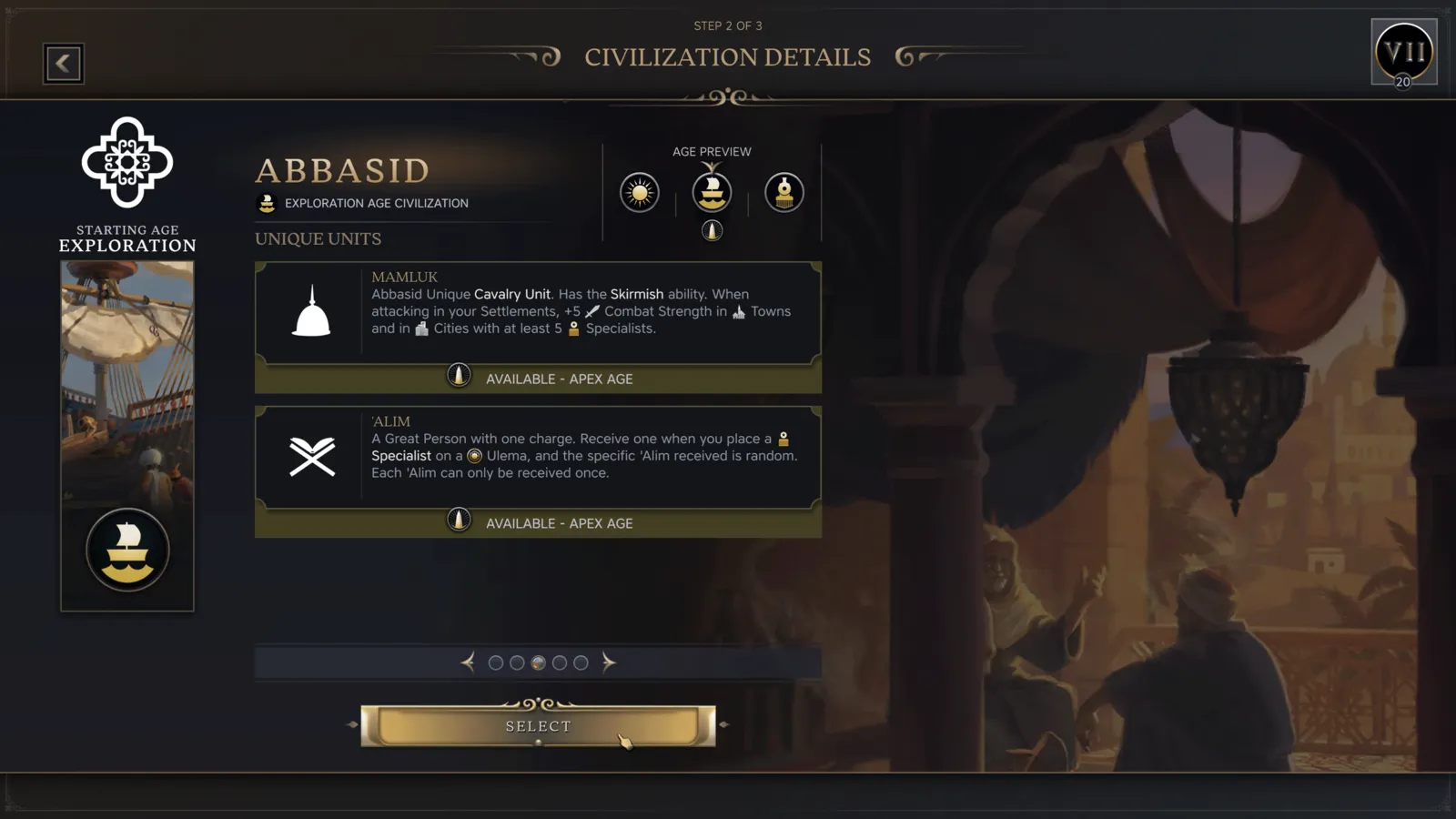
Each transition lets you swap civilization or stay.
How long is an Age?
On standard speed an Age typically lasts 150 to 200 turns, which the developer describes as roughly three to four hours. Every turn adds a little Age Progress, and reaching the end of the Technology and Culture trees pushes it forward. The playable map also grows as you enter new Ages, and each Age has its own resources, civics, technologies, buildings, units, wonders and Independent Powers. Victory thresholds are tied to Age Progress too, see victory types explained.
What is a Crisis?
A Crisis is a series of historically themed, cascading events that start late in each Age and intensify in stages. Guides place the start at around 70% Age Progress, with further stages at 80% and 90%. It creates problems on the map and activates Crisis Policies. These policies are negative and sit in a separate set of slots from your normal social policies, so you must choose which downsides to live with. Sources disagree on exactly how many Crisis Policy slots each stage requires (figures from one to four are quoted), so check the in-game prompt. A Crisis culminates in an Age Transition, except in the Modern Age. Handling the previous Crisis well also unlocks extra Dedications for the next Age.
| Age | Crisis themes reported |
|---|---|
| Antiquity | Invasion, Plague, Revolts |
| Exploration | Plague, Religious Revolts |
One exploration-era Crisis, Revolutions, was removed in update 1.4.1: its ending forced you to pick a temporary Government, which no longer fit the reworked Governments, so it no longer appears and is not an option in Advanced Setup. The developers also say they want deeper Crises and have teased a tougher Collapse Mode as an alternative to Regroup at Age Transitions, but it has not arrived. In update 1.5.1 the game year banner also slows down at the end of an Age when a Crisis is happening, to reflect the turmoil.
What happens at an Age Transition?
All players and AI opponents transition at the same time. You get to do three things: choose your civilization for the new Age (or stay), pick your Dedications and watch the world change.
| Carries over | Resets or changes |
|---|---|
| Your leader, relationships and leader level | The Technology and Civics trees start fresh |
| Traditions from a civ's own Civics tree (they are ageless) | New resources appear and the map expands |
| Wonders and Unique Quarters stay on the map | Independent Powers reset for the new Age |
| Commanders: levels, attributes and experience | Old buildings can be overbuilt, with reduced yields |
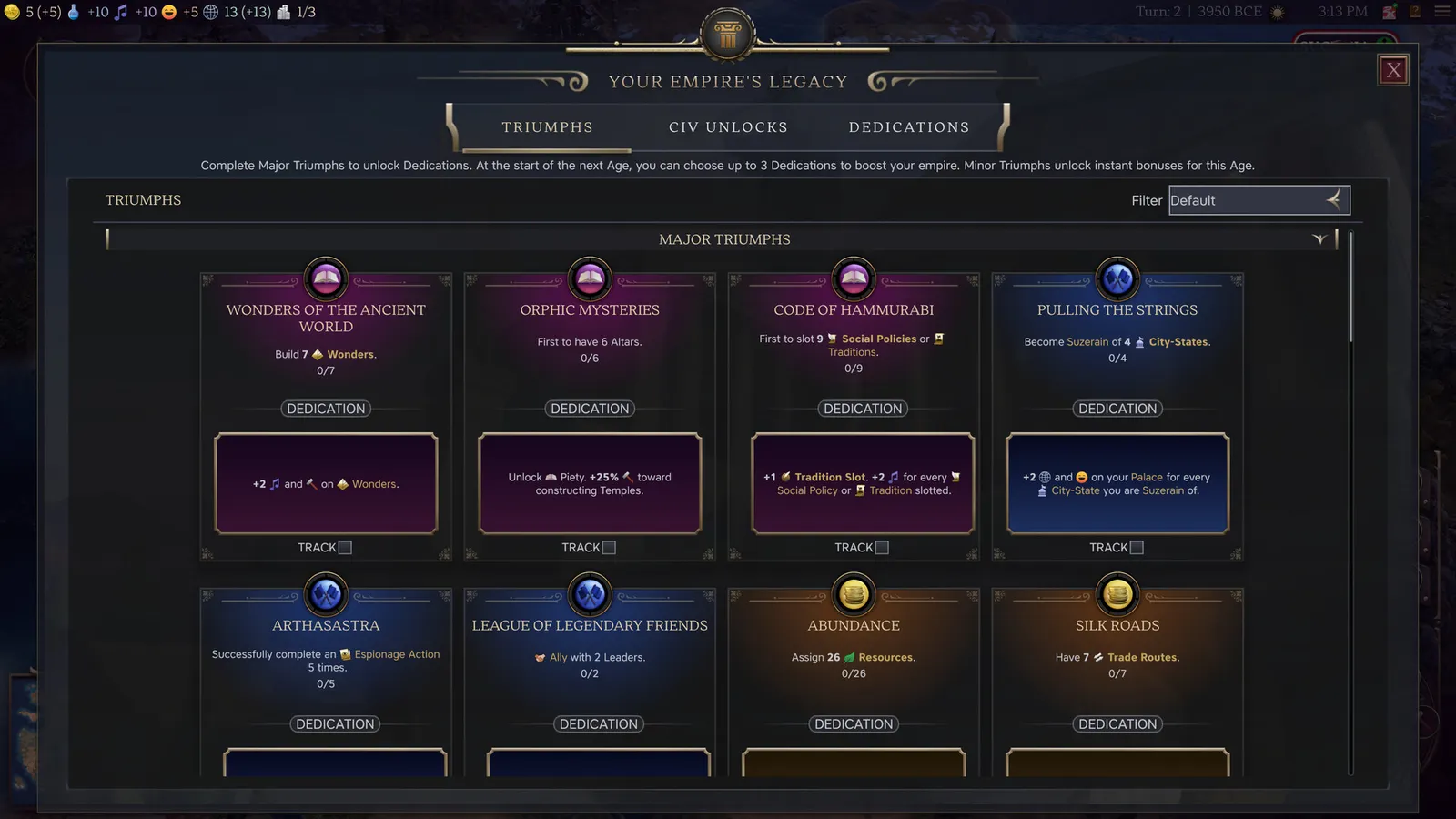
Major Triumphs unlock extra Dedications for the next Age.
Can you stay with the same civilization? (Test of Time)
Yes. Update 1.4.0 added Time-Tested play. At each transition you choose to stay or swap, and you can even start the game as any civ in any Age.
- A civ gets its full unique units, unique infrastructure and bespoke civic tree in its Apex Age.
- Outside its Apex Age it is Time-Tested: its Unique Ability carries across all Ages, and it uses a Time-Tested Civic Tree with a unique civic per Age plus a shared civic based on its attributes.
- Syncretism lets you borrow one unique unit or unique infrastructure from a civ that is currently in its Apex Age, once per Age. Affirmation is the alternative, giving unique Traditions for your own civ.
- By default the AI follows the same choice you make, and the setup screen has options for how closely leaders are paired with historical civs.
The Regroup setting at transitions was improved in update 1.4.1 so that more boats are kept, which helps naval empires.
What are Dedications?
After a transition you pick three Dedications for the next Age, with no point cost. Five default Dedications are always available, and more unlock by completing Major Triumphs, levelling up your leader or managing the previous Crisis successfully. Changing your capital no longer costs a Dedication. Triumphs replace the old Legacy Paths. Bugs where an unlocked Dedication failed to appear at the start of an Age were fixed in 1.4.1 and 1.4.2.
What is Happiness, and why does it matter for a Crisis?
Since update 1.4.1 settlements have five local Happiness stages, and they decide how well each settlement works under pressure.
| Stage | Happiness |
|---|---|
| Ecstatic | Above 40 |
| Joyous | 20 to 40 |
| Happy | 0 to 19 |
| Unhappy | -19 to -1 |
| Angry | -20 or lower |
Celebrations were also reworked in 1.4.1: they last 6 turns on Standard speed instead of 10 and are slightly harder to earn, and each Government now has a passive ability plus two Celebration options. A strong happiness base makes the Crisis Policies much easier to bear.
What is coming next?
The developers announced a free update called Arc of Tomorrow, which adds a fourth Age, and a first paid expansion called Earthrise, both for 2027. Until then, update 1.5.1 is the latest, so the three-Age structure above is what you play.
Beginner tips
- Do not fear the transition: your leader and your wonders stay, so nothing important is lost.
- Plan for the Crisis early. Strong happiness and a healthy economy make the Crisis Policies easier to bear.
- If you want continuity on your first game, use the Time-Tested option and stay with one civ.
- Towns you specialize last until the end of the Age, see towns versus cities.
- Check the FPS boost page if late-game turns feel slow.
FAQ
When does a Crisis start in Civ 7?
Around 70% Age Progress, according to current guides.
Can I skip the Crisis?
The Crisis can be toggled in Advanced Setup, apart from the removed Revolutions theme.
Do I lose my leader at a transition?
No. Your leader, relationships and level carry over.