To parry in Witcher 3, hold the block button, which on PC is the right mouse button by default, or LT and L2 on Xbox and PlayStation. Holding it puts Geralt into a blocking stance that deflects most incoming attacks from the front and back. Pressing the same button for a shorter moment, just before an enemy's attack lands, triggers a riposte counterattack instead of a simple block.
Block versus parry versus riposte
Holding the button keeps Geralt in a defensive stance that blocks ordinary attacks automatically, without needing precise timing. This is the safer option, especially against groups, but it does not create an opening to strike back. Tapping the button at the right moment instead produces a riposte: a quick counterattack that stuns the enemy and gives you a free hit. The timing window for a riposte is roughly a second before the enemy's attack connects, which makes it harder to pull off consistently than holding block.
Which enemies you can parry
Most basic attacks from human-sized enemies and smaller monsters can be parried, including necker swarms, ghouls, wolves, drowners doing a normal melee swing, and bears when they bite or claw. Ordinary human opponents using one-handed weapons can also be parried and countered.
Which attacks you cannot parry
- Leap attacks, such as a drowner jumping at you from a distance, cannot be parried and will stun you if you try. Dodge or roll instead.
- Heavier human enemies wielding two-handed weapons, like large axes or polearms, break through a parry and stun Geralt.
- A bear's charge or its stand-up slam attack cannot be parried, even though its normal bite and claw attacks can.
- As a general rule, anything noticeably larger than a human is treated as unblockable. If you are unsure whether an attack can be parried, cast Quen first; if Quen's shield absorbs the hit instead of the parry blocking it, that attack cannot be parried.
Tips for using parry effectively
- Stay in the blocking stance by default against groups of small, agile enemies like neckers, since holding block covers both your front and back.
- Switch to timed riposte attempts against single, similarly matched enemies where the stun from a successful counter lets you land extra hits.
- Against archers, block just before the arrow hits to deflect it back toward the shooter; this takes practice but is a reliable way to deal with ranged enemies at range.
- Cast Quen before engaging an unfamiliar enemy so you have a safety net while you learn which of its attacks can be parried.
Building around parry and counter
If you want to lean into a parry-heavy playstyle, invest early in the combat skill tree talents that improve counterattack damage and stamina regeneration during blocking. A build with points in both Combat and Alchemy lets you hold the blocking stance longer without running out of stamina, which matters most in extended fights against several humans at once. Signs still matter even in a parry-focused build: Axii can briefly disable one attacker in a group so you only need to track the others, and Yrden slows enemies down enough to make their attack timing easier to read.
Parry against different enemy types
| Enemy type | Can you parry? | Notes |
|---|---|---|
| Neckers, ghouls, wolves | Yes | Standard melee attacks are reliably parried; good enemies to practice riposte timing on |
| Drowners | Partially | Normal melee swings can be parried; leap attacks from range cannot |
| Bears | Partially | Bite and claw attacks can be parried; charges and slam attacks cannot |
| Human enemies, one-handed weapons | Yes | Can be parried and countered like most human-sized opponents |
| Human enemies, two-handed weapons | No | Heavier weapons break through a parry and stun Geralt instead |
| Archers | Yes, with timing | Blocking just before an arrow lands can deflect it back at the shooter |
FAQ
What button do I hold to parry in Witcher 3?
On PC it is the right mouse button by default. On Xbox it is LT, and on PlayStation it is L2.
Why do I get stunned when I try to parry?
You are likely trying to parry an attack that cannot be blocked, such as a leap attack, a charge, or a swing from a heavy two-handed weapon. Dodge or roll instead for those attacks.
How do I tell which attacks can be parried?
Cast the Quen sign before the fight. If Quen absorbs an attack instead of your parry blocking it, that attack cannot be parried and you should dodge it in the future.
Does a build focused on parrying work for the whole game?
It holds up well against human enemies and most monsters, but late-game fights against large bosses rely more on dodging and signs, since many boss attacks fall into the unblockable category. Treat parry as one tool alongside dodging rather than a full replacement for it.
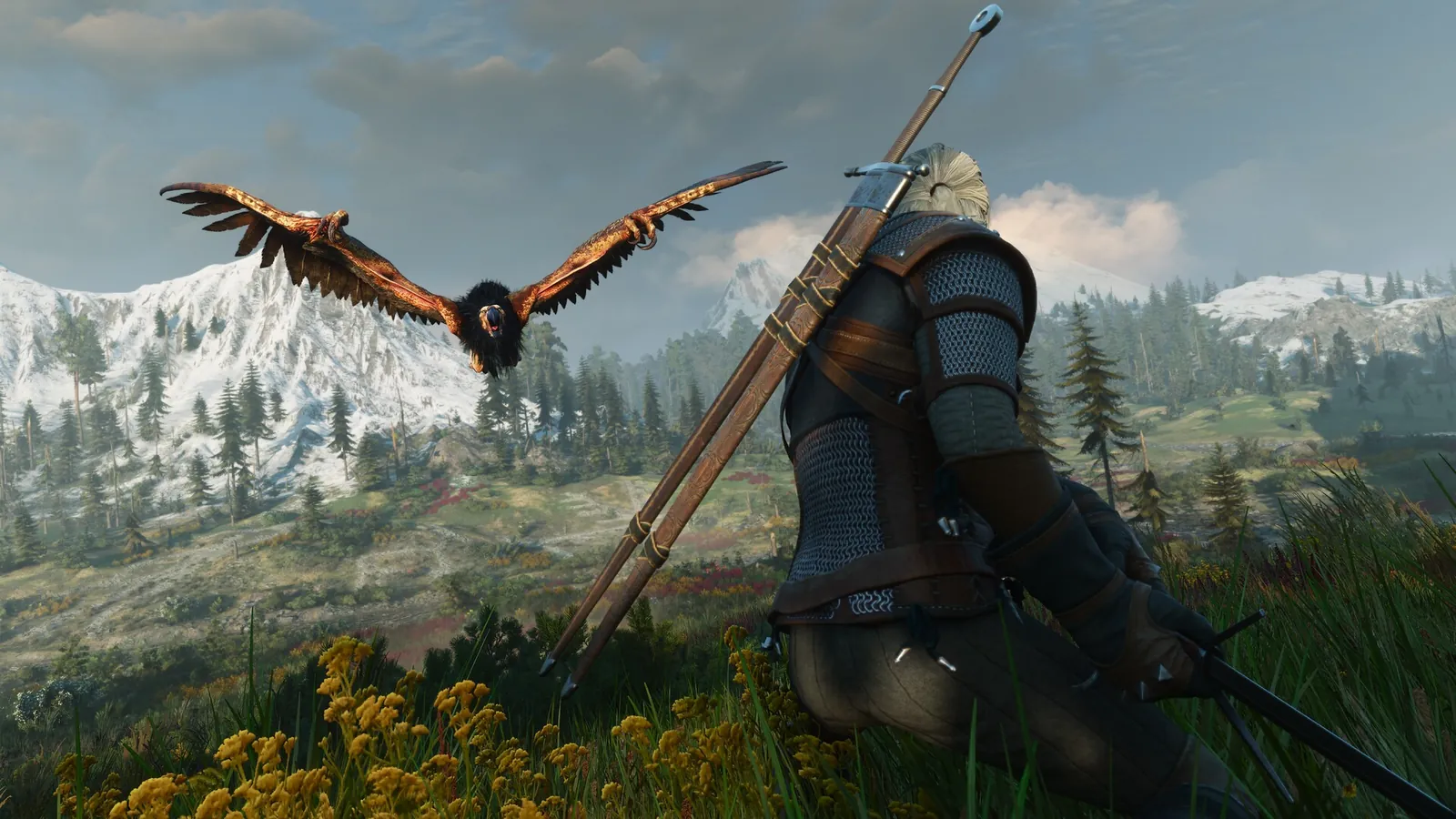
Parrying works differently depending on the size and weapon of the enemy you are facing.
For more on combat, see our Witcher 3 best builds guide and the Witcher 3 game hub for the rest of our guides.