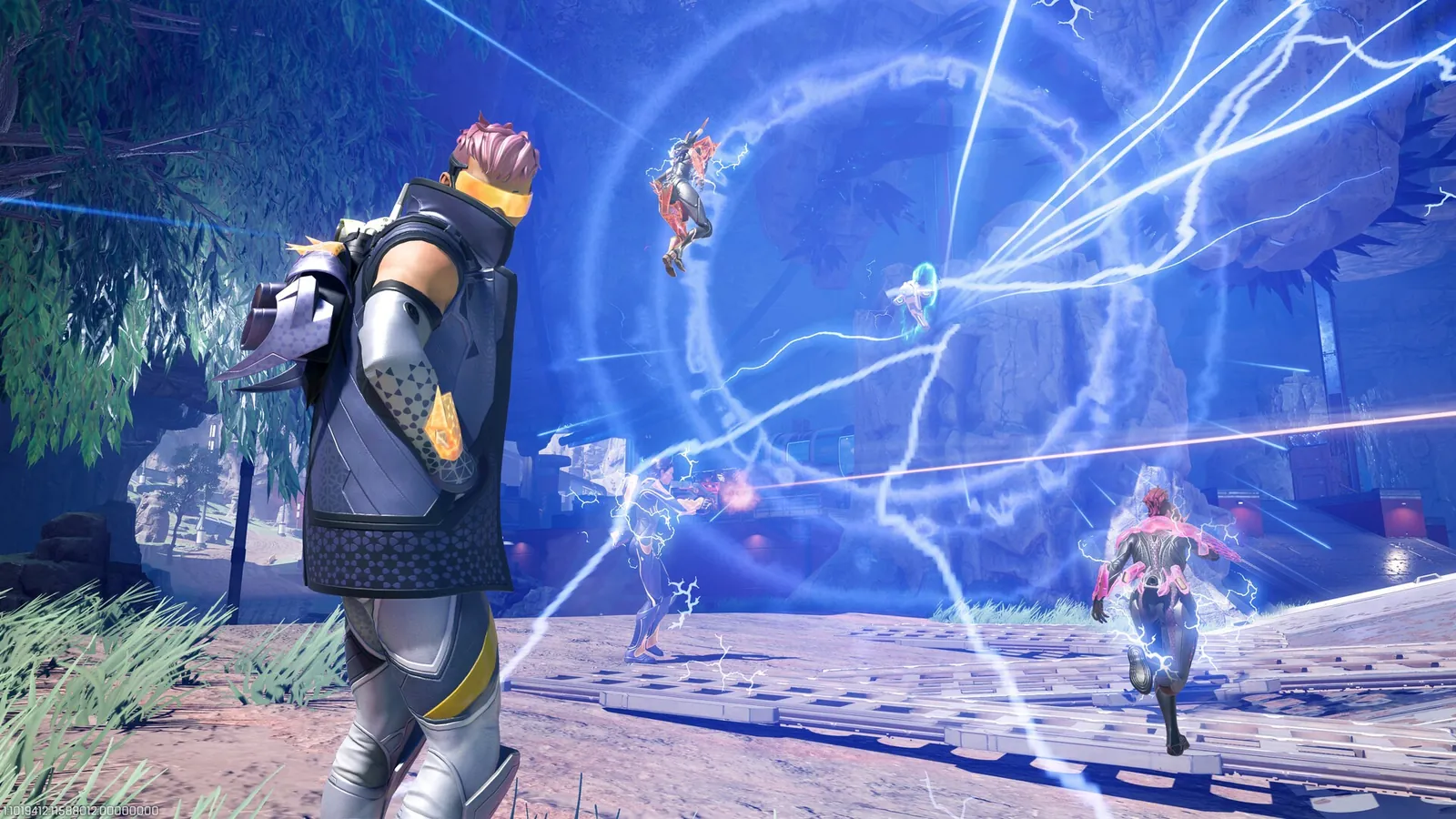
Apex Legends switched its PC anti-cheat from Easy Anti-Cheat to EA Javelin on September 29, 2026. Two months in, Respawn published a review of the results on November 24: more cheaters banned than before, but a slower-than-planned pipeline from detection to ban, and two recent incidents where the system punished innocent players.
Javelin runs at the kernel level, giving Respawn's anti-cheat team deeper visibility into what is happening on a player's PC.
What Respawn reported for the first two months
According to Respawn's November 24 update, Javelin is currently banning 51% more cheaters than the previous system, and the team has carried out 25,236 hardware bans since Javelin launched. At launch, Javelin banned roughly 4,000 cheaters per day, a jump Respawn attributes partly to cheat tools that hadn't yet been adapted to work against the new system. Respawn also said it deliberately rolled out Javelin's protections gradually rather than all at once, because kernel-level anti-cheat touches a sensitive part of a player's system and the team wanted to limit the risk of breaking legitimate setups.
Where it fell short: ban speed and two false-ban incidents
Respawn's own review admits the detection-to-ban pipeline hasn't kept pace with detection itself. Players have reported more "rage hacking": cheaters on new accounts playing blatantly and repeatedly until banned, sometimes staying in matches longer than Respawn wanted while enforcement caught up.
Two incidents since the Javelin switch add to that picture. On November 19, an anti-cheat update wrongly banned about 1,000 players; Respawn says it identified the faulty detection within a day, disabled it, and reversed every affected ban. A separate issue in the hardware-ban system had been mistakenly flagging some devices, which complicated clearing hardware bans from accounts previously compromised by cheaters; Respawn says that is now fixed and the wrongly flagged accounts are being unbanned. Independent reporting on both incidents matches Respawn's account of what happened and when.
What this means if you play on PC
If your account was affected by the November 19 false-ban wave or the hardware-ban flagging issue, Respawn says those bans have already been reversed, so no action should be needed on your end. If you're banned and believe it's a mistake outside those two incidents, use EA's standard account appeal process; Respawn has not published a separate appeal route specific to Javelin.
For anyone still on Easy Anti-Cheat troubleshooting steps from before September, those no longer apply. Check your current Apex Legends FPS settings if performance changed after the Javelin update, since the kernel-level driver runs alongside the game at all times.
Respawn has not named which specific detection caused the November 19 false bans, and has not given a timeline for when the ban pipeline will catch up with its detection rate. The team says controller-cheating detection, rolled out across PC and console on November 12, remains active and is part of the same ongoing Javelin rollout. For general PC setup questions, see our Apex Legends game hub.