
Behavior score rises by playing clean matches that end without reports, and it is recalculated after every 10 matches based on how you were reported or commended over your last 25 games. There is no single action that instantly fixes a low score; it tracks a rolling window of recent behavior, so a string of clean games pulls the average up over time.
How the score is calculated
According to Valve's own player conduct FAQ, a behavior summary reflects abandons, reports and commends recorded over your past 25 matches, and it refreshes after every 10 matches played, or immediately if you receive an Overwatch punishment. A single bad game rarely tanks the score on its own. What matters is the pattern across many matches, including how many different parties reported you rather than just the total report count, since Valve's system is built to resist coordinated or malicious reporting from a single stack.
What each threshold unlocks
Valve ties specific features to behavior score tiers, confirmed through Dota 2's own Player Behavior Summary data:
| Score | Behavior unlocks |
|---|---|
| 3,000 | Access to ranked matchmaking |
| 5,000 | In-game pausing |
| 7,000 | Post-game item drops for treasure chests and sets; ability to request a coach (needs 7,000+ communication score too) |
| 10,000 | Access to becoming a coach yourself (needs 10,000+ communication score too) |
Communication score is tracked separately and controls chat, voice and ping cooldowns, but low behavior and low communication scores often drop together since both come from the same reports.
What actually raises it
Since the score reflects reports and commends from recent games, the most direct way to raise it is to play matches that end without a teammate or opponent reporting you, and ideally with commends from your own team. In practice, players who climb back from a low score consistently point to a few habits: avoid spamming pings, chat wheels or voice lines that annoy teammates, don't abandon or disconnect without reconnecting, don't destroy your own items, and don't intentionally feed or grief a lane. Playing support roles and helping teammates with items like Tangoes or Salves tends to draw fewer reports than high-visibility core roles, simply because supports get blamed less often when a game goes badly.
Why abandons hurt more than they seem to
An abandon from a real disconnect is treated more leniently than an intentional leave, but the system still has to tell the two apart from the same signal, so repeated disconnects, even unintentional ones, can drag the score down over a run of matches. If your connection is unstable, fixing that before queuing matters as much as anything you do in the match itself.
Solo versus party reports
Valve's conduct FAQ addresses a common worry directly: a report from a stacked party of friends does not weigh the same as reports from unrelated players. The system is designed to notice when all the reports against you in a game came from a single party rather than from multiple independent players, and it treats that differently from being reported by strangers spread across both teams. This is also why the behavior summary breaks down how many separate parties reported you in a match, not just a raw total, since that distinction matters more to the score than the headline number.
Overwatch and permanent punishments
Separately from the report-based score, Dota 2's Overwatch system lets trusted players review replays of reported matches and vote on whether real misconduct occurred, such as intentional feeding, griefing, or abusive chat. An Overwatch conviction updates your behavior summary immediately instead of waiting for the usual 10-match cycle, and repeated convictions can escalate beyond matchmaking restrictions toward longer suspensions. This system exists alongside the passive report tracking, so a single serious violation caught on replay can move the score faster than ordinary reports would.
FAQ
How long does it take to raise a low behavior score?
There's no fixed number of games. Since the score is based on a rolling 25-match window and updates every 10 matches, a low score typically needs several consecutive clean matches before it visibly improves, and a few isolated good games will not undo a longer pattern of reports.
Does muting everyone raise behavior score?
Muting protects you from reacting to toxic chat, but it does not by itself raise your score. The score is based on how other players reported or commended you, not on whether you talked to them.
Can one unfair report trigger Low Priority?
Valve's conduct FAQ states that a single report does not result in a Low Priority penalty. It takes a pattern across multiple matches and multiple distinct parties reporting before a punishment is applied.
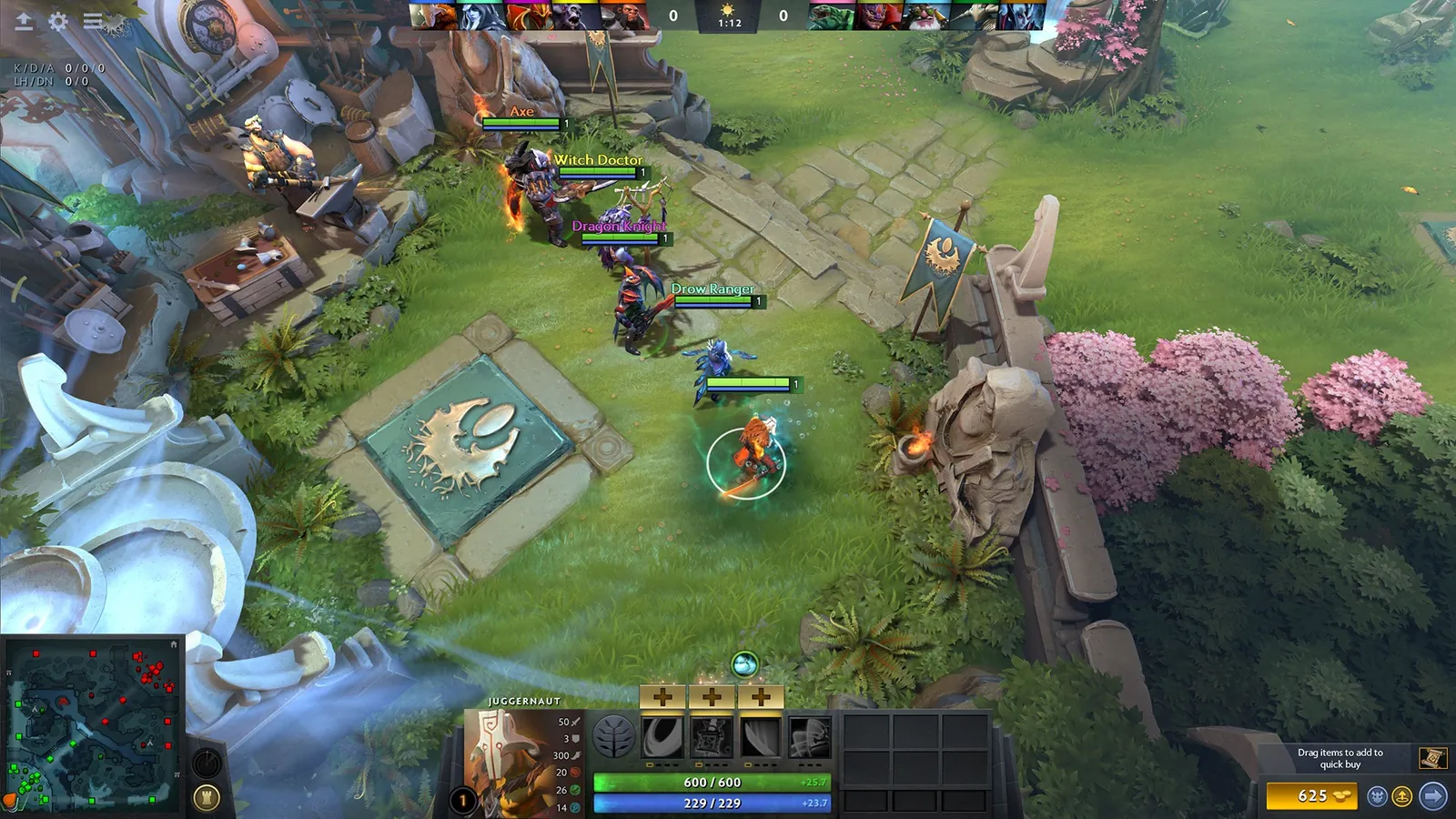
Behavior score is tracked separately from matchmaking rank, so a clean account can still climb MMR while recovering a low score.
For more on the related Low Priority penalty, see the Dota 2 Low Priority guide, and for communication-specific rules see the communication score explainer.