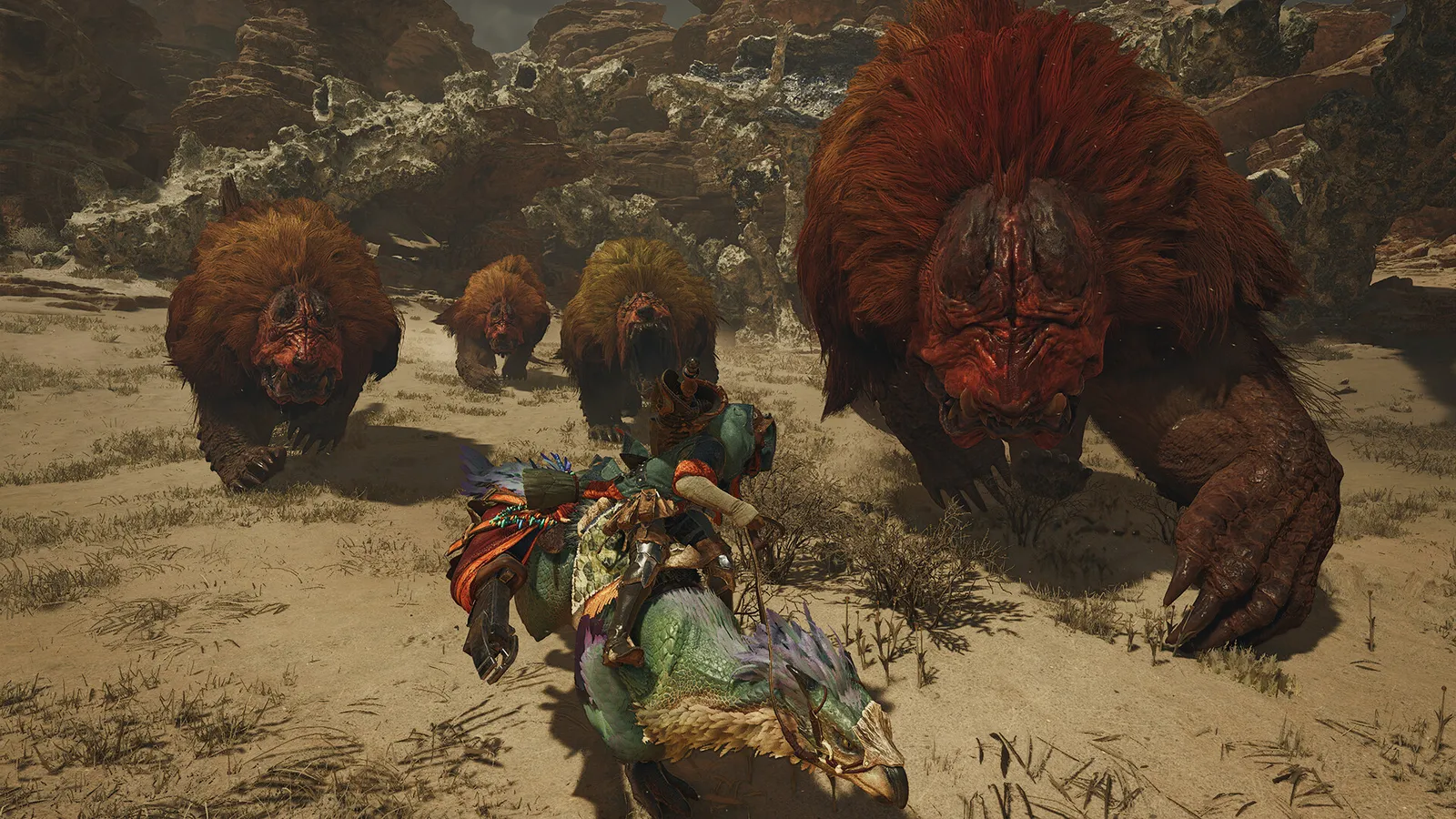
To capture a monster in Monster Hunter Wilds, wear it down until it is weak, trap it with a Shock Trap or a Pitfall Trap, then hit it with tranquiliser items (two Tranq Bombs are usually enough). The reliable cue that a monster is ready is the skull next to its icon on the minimap. A captured monster ends the hunt on the spot, but you cannot carve it, and you cannot capture at all in a quest that demands a kill.
What do you need to capture a monster?
Bring two things in your pouch before the fight: a trap and your tranquilisers.
| Item | Recipe | Where the parts come from |
|---|---|---|
| Shock Trap | Trap Tool + Thunderbug Capacitor | Trap Tools are bought at the Provisions Stockpile in a base camp (100z each). Catch Thunderbugs with the Capture Net, for example in the Windward Plains or the Ruins of Wyveria |
| Pitfall Trap | Trap Tool + Net | A Net is made from Ivy and Spider Web |
| Tranq Bomb | Sleep Herb + Parashroom | Sleep Herbs grow in places such as the Windward Plains, the Scarlet Forest and the Iceshard Cliffs. Parashrooms grow in the Windward Plains, the Scarlet Forest, the Oilwell Basin and the Ruins of Wyveria |
| Tranq Ammo | Tranq Bomb + Normal Ammo | For bowguns |
| Tranq Blade | Tranq Bomb + Throwing Knife | Thrown with the slinger. Normal Ammo and Throwing Knives are unlimited |
On quests where capture is required, the game supplies EZ items in your pouch: EZ Shock Traps and EZ Tranq Bombs. They work like the normal versions, and "EZ" just marks the free supply. For a capture you choose yourself, you must bring your own. Your Palico can also set a Shock Trap with its Place Paracorn move.
How do you tell a monster is weak enough?
Wilds does not show monster health bars, and Capcom does not publish the capture threshold. Community estimates run from about 20 percent to roughly 40 percent of health and disagree with each other, so do not plan around a number. Use the cues the game gives you:
- A skull appears beside the monster's icon on the minimap. This is the clearest signal that capture is possible.
- Your Palico remarks that the monster is looking weak.
- The monster limps, especially when it flees to another area, and may return to its den to rest.
- A notice on the right of the screen suggests using traps.
- Some monsters give their own sign. Yian Kut-Ku, for example, lowers the frills around its head when it is badly hurt.
How do you capture a monster step by step?
- Fight the monster as usual until the skull shows.
- Set the trap soon after the monster enters a new area, between you and it. A resting or limping monster is the best moment: follow it to its den instead of spending the last of its health in a chase.
- Lure it into the trap, with a Luring Pod through your slinger or with a single attack.
- While it is caught, throw Tranq Bombs at its head (or use Tranq Ammo or Tranq Blades). Two Tranq Bombs are normally enough once the monster is weak enough, so carry extras in case of a second attempt.
- If the monster is under the threshold, the capture succeeds and the hunt ends.
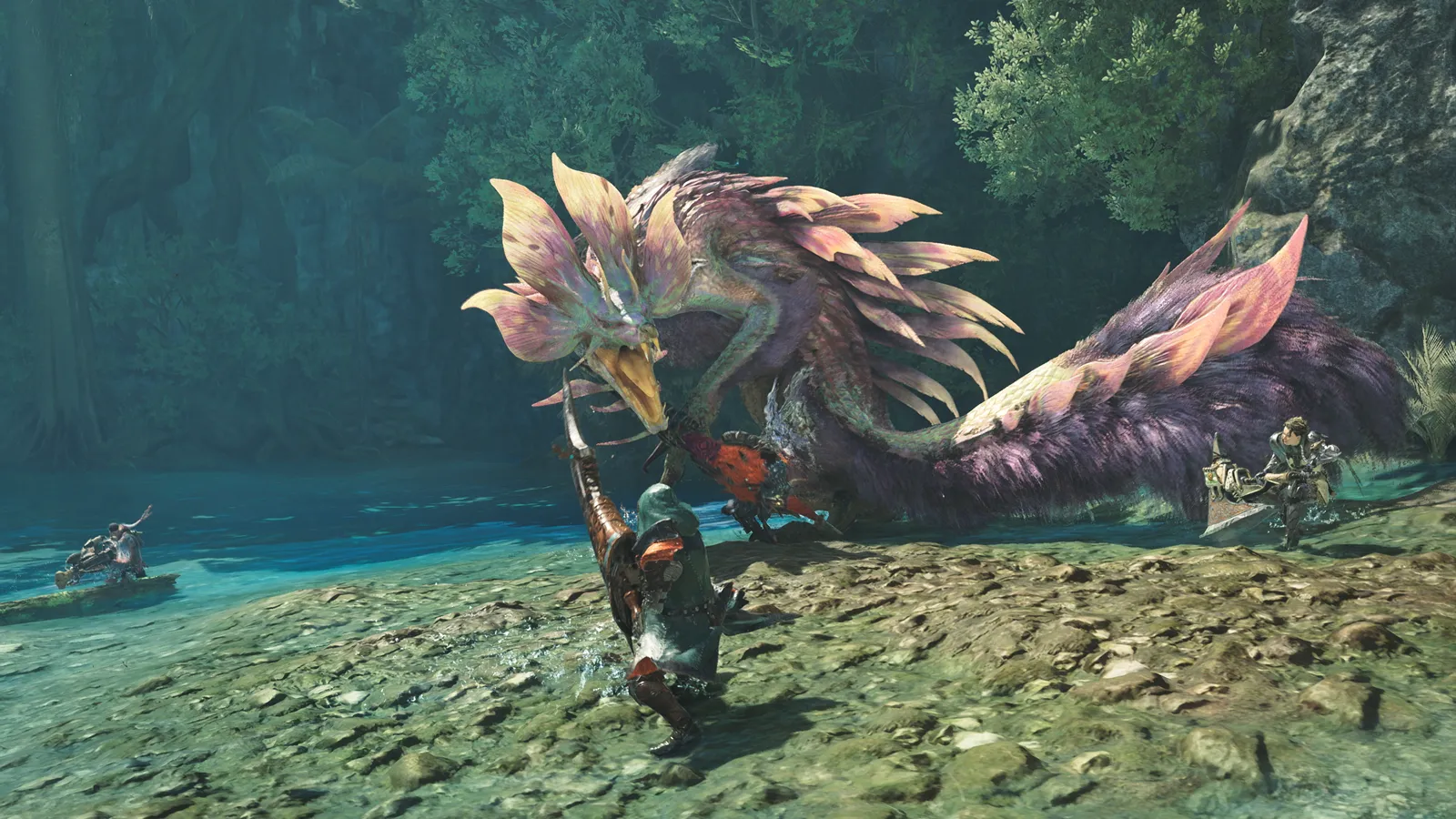
Wear the monster down first; capture only works once it is weak.
Keep the finished traps and tranquilisers in your item pouch, not only in camp storage. If you have support hunters with you, dismiss them under Missions and Quests before you trap, because their damage can kill a monster you were about to capture.
Why did my capture fail?
- The monster was not weak enough. A trap alone does not capture, and tranquilisers cannot make up for too much health. Hit it for a while longer and try again.
- It was sleeping normally. Capture items do nothing to a monster that is just asleep. Place the trap next to it and wake it with a hit.
- The quest forbids it. In a slay quest, capturing fails the quest, and in a capture quest, killing does. A hunt quest accepts both.
- The monster is immune to your trap. See below.
- A teammate or support hunter finished it. Agree on the plan with the host first.
Which monsters are immune to which trap?
Rey Dau and Gypceros are reported to be immune to Shock Traps, so use a Pitfall Trap on them. Flying monsters will not fall into a pitfall until they land. Elder Dragons, Zoh Shia among them, resist both traps and can only be slain. Reports on Jin Dahaad disagree: some say it is immune to Pitfall Traps, others that it cannot be trapped at all. Check the monster's entry in your Field Guide before you commit to a plan.
Which quests must you capture?
Some quests require a capture and killing the target fails them. The first is the assignment Lured by Abundance, which unlocks after the main story credits. Many boss quests, and for example the Arch-tempered Rey Dau Free Challenge Quest, are slay quests. Quest objectives are listed before you accept, so read them: Hunt (slay or capture), Slay, Capture, or Repel.
Is capturing better than slaying?
You get the capture rewards when the quest ends, and a captured monster cannot be carved, so you give up carve materials. Capcom does not publish the reward tables, so there is no verified answer on which route gives rarer parts. Capturing has two real advantages: it avoids the risk of the last few hits on a dangerous monster, and it often ends the hunt sooner. The cost is that you must gather and carry the trap materials. The Hunting Log counts captures and kills separately.
FAQ
How many tranq bombs do I need?
Two are usually enough for a monster that is weak enough and held in a trap. Carry extras.
Shock Trap or Pitfall Trap?
Both usually work. Shock Traps are the default for EZ supplies. One of them may give a longer tranquilising window on a given monster, so try the other if one keeps failing. Use the Pitfall Trap on monsters that are immune to shock.
Can I capture a monster that is held by vines or endemic life?
Yes, but only with one of the two traps.
Quick tips
- Craft a stack of Tranq Bombs before a big hunt.
- Wounds and focus strikes help wear a monster down quickly; see the beginner guide.
- A meal with the Capture Pro effect improves capture rewards; see the meals guide.
- For Arkveld, see our Arkveld guide, and for group hunts how to play with friends.