Skip to content
Set up my rig
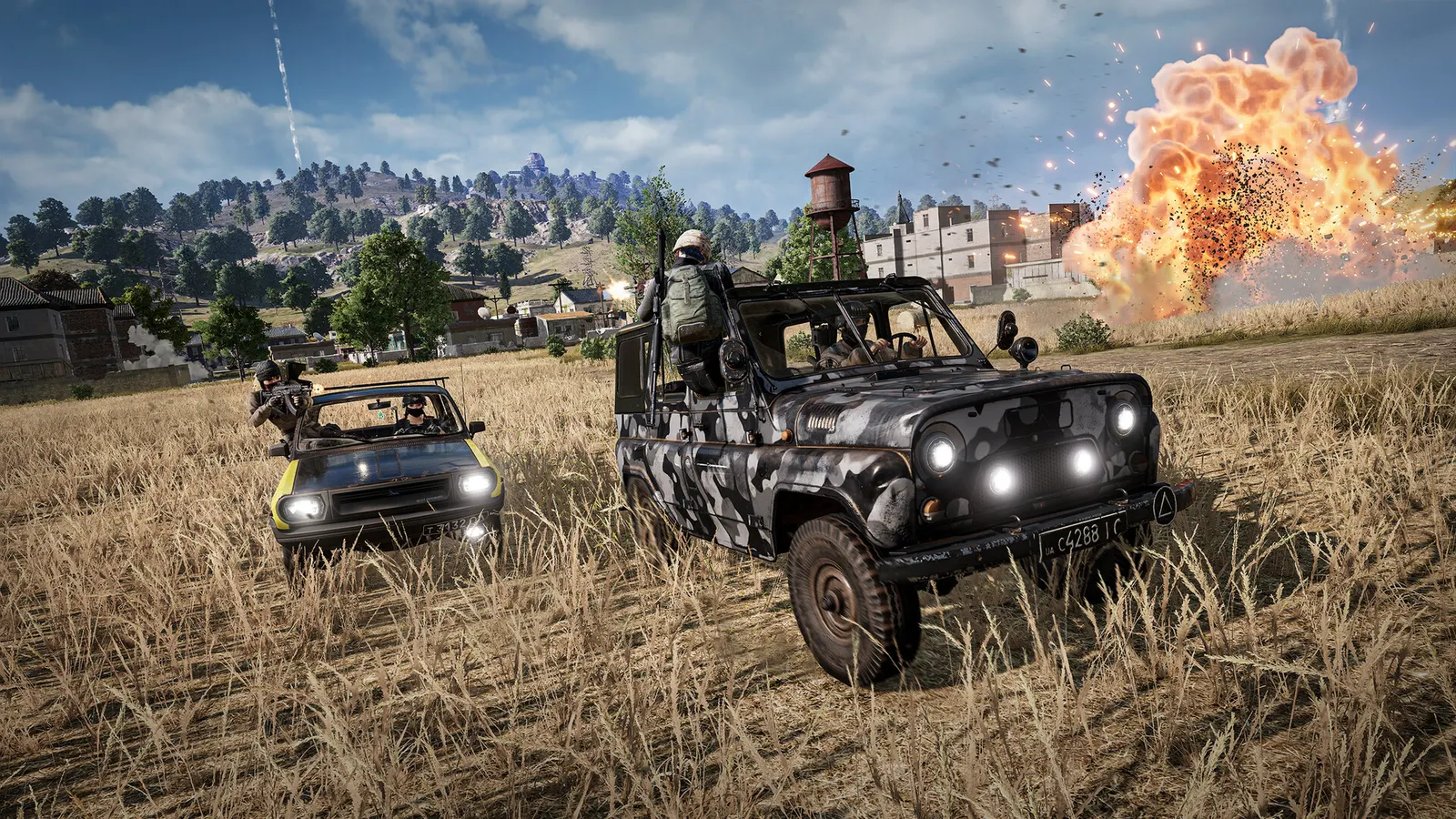
PUBG: BATTLEGROUNDS, official artwork

PUBG: BATTLEGROUNDS FPS boost and stutter fix

The biggest frame costs in PUBG: BATTLEGROUNDS are Shadows, Anti-Aliasing, Post-Processing. Start there, then work through the stutter checklist.

Updated . Game data researched November 2026.

  • PEGI 16
  • Free to play
  • Competitive
Genre
Battle royale shooter
Developer
KRAFTON (PUBG Studios)
Released
2017
Platforms
PC, Xbox, PlayStation

Which PUBG: BATTLEGROUNDS settings cost the most FPS?

Shadows

One of the costlier options, and fewer shadows make players easier to spot.

Very Low

Anti-Aliasing

Medium smooths distant edges without much cost, and it is the minimum for the upscaler options to appear.

Medium

Post-Processing

Very Low also turns off SSAO shadowing, which frees frames and keeps the image clean.

Very Low

Effects

Smoke, explosions and muzzle flash cost frames in firefights.

Very Low

Foliage

Less grass and bushes means enemies hiding in cover are easier to see.

Very Low

View Distance

Controls how far terrain and objects are drawn; Medium is the usual balance between visibility and CPU load.

Medium

Values shown are what we pick for max FPS (visibility kept where it matters). Section names follow the in-game menu.

Upscaling and latency in PUBG

  • Upscaling: NVIDIA DLSS, AMD FSR. Use the Quality mode first; at 1080p avoid Balanced and Performance, they get blurry.
  • Frame generation: not available in this game.
  • Latency: no Reflex or Anti-Lag 2 in this game. Cap your FPS a few frames below your refresh rate instead.

Upscaling explained

How do I fix stuttering in PUBG: BATTLEGROUNDS?

PUBG: It is mostly a CPU game

  1. In PUBG, on a fast GPU the frame rate stops growing with graphics options because the processor is the limit.
  2. In PUBG, close background apps and launchers, and enable XMP or EXPO so your RAM runs at its rated speed.
  3. In PUBG, judge stability by your minimum FPS in a firefight, not by the average in a quiet area.

PUBG: Pick the right DirectX version

  1. In PUBG, use DirectX 11 Enhanced for most systems.
  2. In PUBG, plain DirectX 11 is stable but is reported to use at most 4 CPU cores.
  3. In PUBG, DirectX 12 is a beta: try it only if you can accept crashes or stutter.

PUBG: Using DLSS or FSR

  1. In PUBG, open Settings > Graphics > Advanced and set "Resolution Upscaling" to NVIDIA DLSS or AMD FSR.
  2. In PUBG, the option stays hidden while Anti-Aliasing is Very Low or Low: raise it to Medium first.
  3. In PUBG, on NVIDIA you can also force the newest DLSS 4.5 models through the NVIDIA app DLSS overrides.
  4. In PUBG, in a CPU-limited match upscaling will not add frames, so skip it at 1080p on a fast GPU.

Checklist for every PC

  • Install the game on an SSD: a hard drive causes texture pop-in and hitches. PUBG: BATTLEGROUNDS wants 16 GB of RAM; close browsers and launchers while playing.
  • Lower Textures one step if your graphics card has 8 GB of VRAM or less and you see sudden drops.
  • Let shaders finish compiling on first launch and after driver updates; the first match can stutter.
  • Enable XMP/EXPO so your RAM runs at its rated speed, and update your graphics driver.
  • Check that Windows runs your monitor at its full refresh rate: how to check.
  • Turn on Game Mode and Hardware-accelerated GPU scheduling: Windows gaming settings.

PUBG: BATTLEGROUNDS settings for a low-end PC

SettingLow-end value
Display ModeFullscreen
ResolutionYour monitor's native resolution; scale with the upscaler instead
Render Scale100
Resolution UpscalingNative; DLSS Quality on RTX, FSR Quality on AMD and older GeForce
Anti-AliasingVery Low
Post-ProcessingVery Low
ShadowsVery Low
TexturesLow
EffectsVery Low
FoliageVery Low
View DistanceLow
SharpenEnabled
V-SyncOff; use G-Sync or FreeSync with an FPS cap instead
Motion BlurOff
DirectX VersionDirectX 11 Enhanced

Launch options

  • -ResX=1728 -ResY=1080 Optional: forces a stretched resolution. Not needed if you set the resolution in the game itself.